California Golden Bears Athletics
A family beekeeping hobby helped Janaye Sakkas blossom into a strong leader for her teammates.
Photo by: Cal Athletics
Meant To Bee
10/5/2018 10:57 AM | Field Hockey, Inside The Lair
This feature originally appeared in the Fall edition of the Cal Sports Quarterly. The Cal Athletics flagship magazine features long-form sports journalism at its finest and provides in-depth coverage of the scholar-athlete experience in Berkeley. Printed copies are mailed four times a year to Bear Backers who give annually at the Bear Club level (currently $600 or more). For more information on how you can receive a printed version of the Cal Sports Quarterly at home, send an email to CalAthleticsFund@berkeley.edu or call (510) 642-2427.
For Cal field hockey, there's one day every season that's sweeter than all the rest.
Honey distribution day.
With several dozen Bear-shaped plastic containers in tow, senior Janaye Sakkas bestows her teammates with the byproduct – or bee-product, rather – of her longtime hobby. The honey-filled Bears still feature a photo of Sakkas and her brother George on the label, grinning while dressed in full beekeeping suits, along with the words "Sakkas Honey" and "Pure Cupertino Wildflower."

Sakkas, her parents and her brother have all enjoyed beekeeping since she was a young child, and recently even helped change legislation to make their city municipal code more bee-friendly.
As a precocious youngster growing up in Cupertino, Sakkas enjoyed a multitude of hobbies. She participated in Destination Imagination, a creativity and innovation program, and was a three-sport athlete at Monta Vista High School, earning captain status for her field hockey, softball and soccer squads. But as her free time waned and Sakkas began her collegiate career as a Division I student-athlete and cognitive science major, her hobbies became more limited. Beekeeping, however, is one that has stuck throughout the years.
George, Sakkas' older brother, was the first to make the foray into beekeeping. He joined the youth development organization 4-H and chose to pursue the already-existing bee project as his specialty, taking care of the honey bees at Cupertino's McClellan Ranch Preserve. Sakkas followed suit not long after, and so did her parents, Dino and Alysa.
At first, the Sakkas family knew nothing about beekeeping, so it came as a surprise when the former group leader asked Dino to take over the project. Though they were initially hesitant, the family agreed and jumped into learning everything about the insects, bumbling through mistakes, celebrating successes and overcoming fears along the way.

"I was definitely scared of bees at first. I didn't like being stung," Sakkas said. "I had to learn a lot about the species itself, and how honey was made, what we do to make sure they make the honey well, watch the bees. It was a very big learning curve the first year."
They had also inherited a hive with a mite problem. The parasites suck blood from the honey bees, shortening their lifespans and causing deformities. Dino and his daughter made it a personal project to rid the bees of their unwanted visitors. For weeks, they'd visit McClellan Ranch and sprinkle powdered sugar over the bees, which caused the mites to slip off the bee bodies. Sakkas would comb through the bee boxes, counting the number of mites that fell off until finally they were rid of the problem.
"It became a ritual when I was little," Sakkas said. "We'd bike to the park from my home about a mile away. My dad and I would come out here and inspect the bees and eat lunch.
"It became a bonding experience between us. It definitely brought us closer," she added.
With the mite infestation under control, the bee project blossomed. Project participation included educational classroom sessions on beekeeping, and hands-on work at the ranch maintaining the hives and the bee boxes.

"The bees do a lot of the work," Sakkas said. "They're the ones going out to the flowers and getting nectar and pollen. We just make sure that there are no predators, and we make sure that they're on task toward having a successful yield. We do a lot of the watching, and they do the work."
Once a year at the end of the summer, members of the bee project group extract the honey from the several bee boxes at McClellan Ranch, which can yield up to 30 pounds of honey per box. The group bottles it up and sells most of it to the local community, making the bee project one of the profitable 4-H programs. It's a time of year that gets all of Cal's field hockey team buzzing.
"When I learned that they made honey, I thought it was great," head coach Shellie Onstead said. "Then I tasted it, and now I can't buy honey at all. We are so spoiled."
Throughout the years, Sakkas and her family have remained involved in the bee project, even after both children graduated beyond high school and 4-H. Dino and Alysa still lead the group, and the family recently successfully petitioned to rewrite the city municipal code to allow residents to keep their own personal bee boxes at home. Sakkas remains connected by teaching the group when she can, taking the youngsters under her wing and passing on her knowledge.
"I really depend on her a lot to work especially with the younger kids," her mother, Alysa, said. "She's really good with kids, so it gives her a chance to use not only her teaching ability but her leadership capabilities. All of the clubs and things she's been a part of have really contributed to her being able to work with a wide variety of people."

Sakkas has also kept up with her hobby in other ways too, with her unique interest making a beeline into her academic pursuits. Though Sakkas now works in a cognitive research lab on campus and serves as a peer advisor and tutor, she recently wrote a research paper about bees and colony collapse disorder, when bees suddenly disappear out of their hives for no apparent reason.
"I've really enjoyed learning about their species," Sakkas said. "They're so intricate. They all work together, and there are so many of them. They put together a product and it's amazing that they do that without really speaking to each other."
One of her favorite things that she's learned through beekeeping is about community and the hive mind.
"Bees only live 40 days, so they don't always see the end of honey production, but they're all working toward that," Sakkas explained. "Each bee contributes that honey in hopes that the beehive can survive the winter, even though they might not be the bee to survive until then. It's the idea of the entire community surviving the winter and keeping the species going."
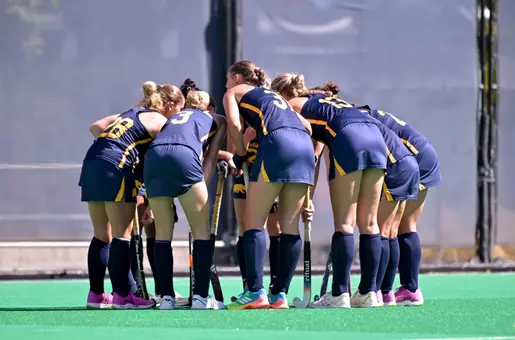
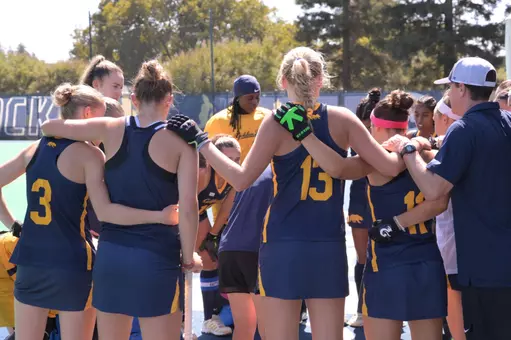
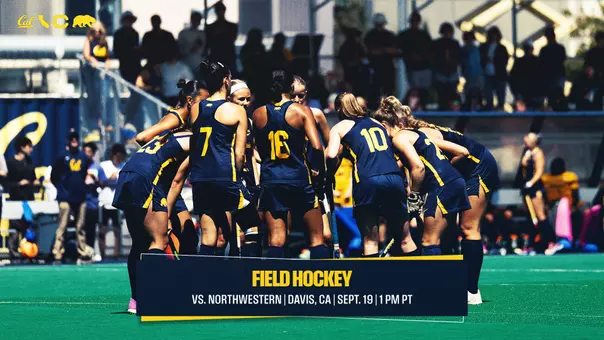
The big lesson from the little critters has helped Sakkas understand her own athletic community better. You could say she's bee-n inspired.
"In the long term, we're all working together to complete our goals and win championships," Sakkas said. "Sometimes, you have building years and you might lose a lot, and you can't make it to your end goal, but you're building for the next year to be successful and for the next classes to be successful."
For Cal field hockey, there's one day every season that's sweeter than all the rest.
Honey distribution day.
With several dozen Bear-shaped plastic containers in tow, senior Janaye Sakkas bestows her teammates with the byproduct – or bee-product, rather – of her longtime hobby. The honey-filled Bears still feature a photo of Sakkas and her brother George on the label, grinning while dressed in full beekeeping suits, along with the words "Sakkas Honey" and "Pure Cupertino Wildflower."
Sakkas, her parents and her brother have all enjoyed beekeeping since she was a young child, and recently even helped change legislation to make their city municipal code more bee-friendly.
As a precocious youngster growing up in Cupertino, Sakkas enjoyed a multitude of hobbies. She participated in Destination Imagination, a creativity and innovation program, and was a three-sport athlete at Monta Vista High School, earning captain status for her field hockey, softball and soccer squads. But as her free time waned and Sakkas began her collegiate career as a Division I student-athlete and cognitive science major, her hobbies became more limited. Beekeeping, however, is one that has stuck throughout the years.
George, Sakkas' older brother, was the first to make the foray into beekeeping. He joined the youth development organization 4-H and chose to pursue the already-existing bee project as his specialty, taking care of the honey bees at Cupertino's McClellan Ranch Preserve. Sakkas followed suit not long after, and so did her parents, Dino and Alysa.
At first, the Sakkas family knew nothing about beekeeping, so it came as a surprise when the former group leader asked Dino to take over the project. Though they were initially hesitant, the family agreed and jumped into learning everything about the insects, bumbling through mistakes, celebrating successes and overcoming fears along the way.
"I was definitely scared of bees at first. I didn't like being stung," Sakkas said. "I had to learn a lot about the species itself, and how honey was made, what we do to make sure they make the honey well, watch the bees. It was a very big learning curve the first year."
They had also inherited a hive with a mite problem. The parasites suck blood from the honey bees, shortening their lifespans and causing deformities. Dino and his daughter made it a personal project to rid the bees of their unwanted visitors. For weeks, they'd visit McClellan Ranch and sprinkle powdered sugar over the bees, which caused the mites to slip off the bee bodies. Sakkas would comb through the bee boxes, counting the number of mites that fell off until finally they were rid of the problem.
"It became a ritual when I was little," Sakkas said. "We'd bike to the park from my home about a mile away. My dad and I would come out here and inspect the bees and eat lunch.
"It became a bonding experience between us. It definitely brought us closer," she added.
With the mite infestation under control, the bee project blossomed. Project participation included educational classroom sessions on beekeeping, and hands-on work at the ranch maintaining the hives and the bee boxes.
"The bees do a lot of the work," Sakkas said. "They're the ones going out to the flowers and getting nectar and pollen. We just make sure that there are no predators, and we make sure that they're on task toward having a successful yield. We do a lot of the watching, and they do the work."
Once a year at the end of the summer, members of the bee project group extract the honey from the several bee boxes at McClellan Ranch, which can yield up to 30 pounds of honey per box. The group bottles it up and sells most of it to the local community, making the bee project one of the profitable 4-H programs. It's a time of year that gets all of Cal's field hockey team buzzing.
"When I learned that they made honey, I thought it was great," head coach Shellie Onstead said. "Then I tasted it, and now I can't buy honey at all. We are so spoiled."
Throughout the years, Sakkas and her family have remained involved in the bee project, even after both children graduated beyond high school and 4-H. Dino and Alysa still lead the group, and the family recently successfully petitioned to rewrite the city municipal code to allow residents to keep their own personal bee boxes at home. Sakkas remains connected by teaching the group when she can, taking the youngsters under her wing and passing on her knowledge.
"I really depend on her a lot to work especially with the younger kids," her mother, Alysa, said. "She's really good with kids, so it gives her a chance to use not only her teaching ability but her leadership capabilities. All of the clubs and things she's been a part of have really contributed to her being able to work with a wide variety of people."
Sakkas has also kept up with her hobby in other ways too, with her unique interest making a beeline into her academic pursuits. Though Sakkas now works in a cognitive research lab on campus and serves as a peer advisor and tutor, she recently wrote a research paper about bees and colony collapse disorder, when bees suddenly disappear out of their hives for no apparent reason.
"I've really enjoyed learning about their species," Sakkas said. "They're so intricate. They all work together, and there are so many of them. They put together a product and it's amazing that they do that without really speaking to each other."
One of her favorite things that she's learned through beekeeping is about community and the hive mind.
"Bees only live 40 days, so they don't always see the end of honey production, but they're all working toward that," Sakkas explained. "Each bee contributes that honey in hopes that the beehive can survive the winter, even though they might not be the bee to survive until then. It's the idea of the entire community surviving the winter and keeping the species going."
The big lesson from the little critters has helped Sakkas understand her own athletic community better. You could say she's bee-n inspired.
"In the long term, we're all working together to complete our goals and win championships," Sakkas said. "Sometimes, you have building years and you might lose a lot, and you can't make it to your end goal, but you're building for the next year to be successful and for the next classes to be successful."

Players Mentioned

F
/ Field HockeySaturday, August 29
Friday, October 05
Thursday, June 23
Thursday, June 23